
RX 9070 XT is now the primary focus of AMD’s Radeon production plans. New reports indicate AMD is allocating more manufacturing capacity to the RX 9070 XT over the non-XT version. The shift reflects cost pressures and margin priorities across the GPU market.
The information was first reported by PROHARDVER and later cited by VideoCardz. It suggests AMD sees stronger long-term value in the higher-priced RX 9070 XT despite both models sharing similar hardware foundations.
Both RX 9070 XT and RX 9070 are based on the Navi 48 architecture. Each card uses the same Navi 48 silicon family and includes 16 GB of GDDR6 memory. This makes their core production costs nearly identical.
The non-XT model reportedly uses a lower-binned Navi 48 XT die, while the RX 9070 XT relies on a higher-quality bin of the same silicon. Despite this difference, AMD does not save meaningful money producing the non-XT version.
Memory pricing is the largest cost factor for both GPUs. GDDR6 prices remain elevated across the industry. This reduces AMD’s flexibility to discount one model without affecting margins.
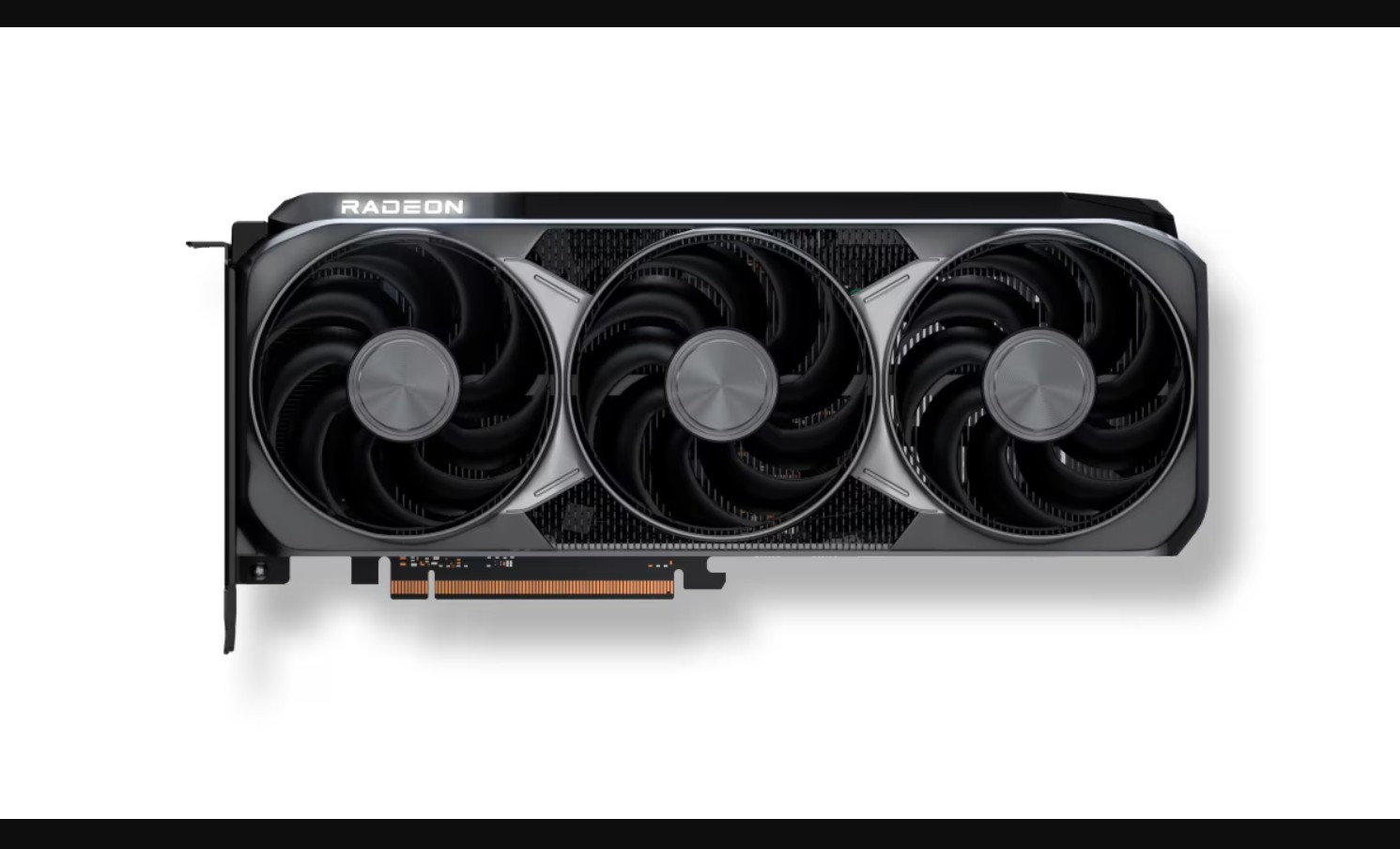
The RX 9070 XT carries a modest price premium over the RX 9070. Reports indicate roughly a single-digit percentage difference at MSRP. That premium becomes significant when scaled across large production volumes.
Because engineering, validation, and memory costs are the same, AMD gains better profitability by prioritizing the RX 9070 XT. The company can justify higher pricing without additional manufacturing expense.
This approach also reduces pressure to lower prices. Higher-tier products absorb cost increases more easily than mid-range models. AMD appears to be using this strategy to maintain stable pricing.
The shift does not mean the RX 9070 will be discontinued. Reports state production will continue, but with reduced allocation. AMD does not expect shortages of the non-XT model.
Add-in card partners remain involved in the supply strategy. AMD is reportedly coordinating closely with AIC partners to stabilize memory supply and pricing. This collaboration is intended to avoid sudden market disruptions.
Community reaction has been mixed. Some users argue the RX 9070 XT is pushed too far in power consumption to compete with NVIDIA’s higher-tier offerings. Others believe the performance gains justify the focus.
There is also broader frustration in the GPU market. Rising prices and higher power draw have become common across brands. Many consumers feel mid-range GPUs no longer exist in the traditional sense.
From a competitive standpoint, AMD may see an opportunity. NVIDIA’s pricing structure leaves limited direct competition in certain performance brackets. The RX 9070 XT occupies a space with fewer alternatives.
Longer term, this strategy suggests AMD is prioritizing margin stability over aggressive price segmentation. That may define Radeon’s positioning until memory pricing and supply conditions improve.
The RX 9070 XT now represents AMD’s preferred balance of cost, performance, and profitability. As production shifts continue, it may become the most visible Radeon option in its generation.