
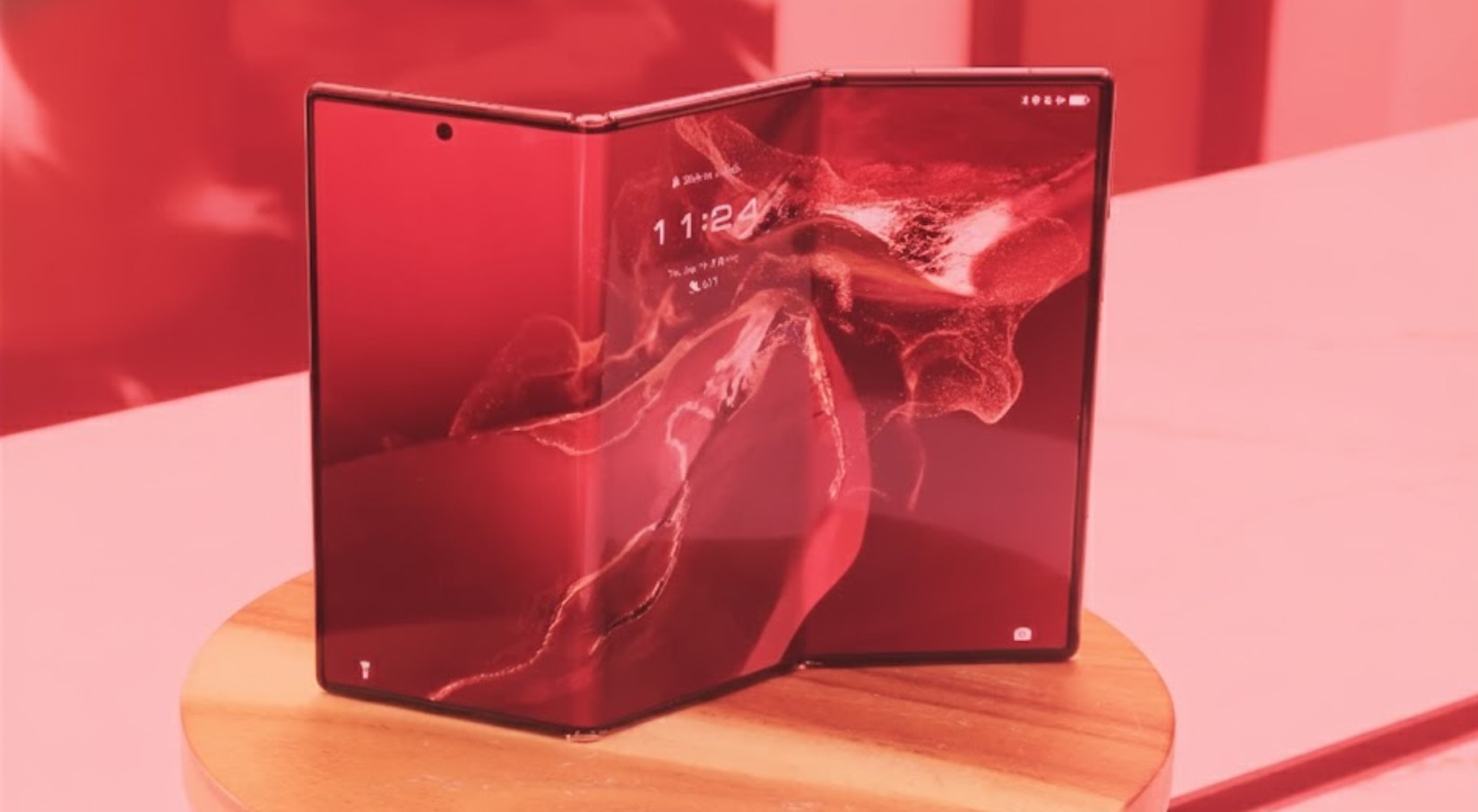
Samsung has officially entered the next phase of foldable innovation with the Galaxy Z Tri-Fold, its first smartphone featuring a triple-folding display. Designed to function as a phone, tablet, and productivity device in one, the Tri-Fold targets power users and early adopters willing to pay a premium for cutting-edge hardware.
Price and Key Specifications
The Samsung Galaxy Z Tri-Fold launched with a premium price positioned well above traditional flagships. In its initial market rollout, the device is priced around USD 2,400–2,500 for the base high-storage variant, making it one of the most expensive smartphones Samsung has ever released.
The phone features a large tri-fold Dynamic AMOLED display measuring around 10 inches when fully unfolded, alongside a usable outer screen for regular phone tasks. It is powered by a flagship-grade Snapdragon chipset, paired with 16 GB RAM, generous internal storage options, and a multi-cell battery exceeding 5,500 mAh. Samsung also includes fast wired charging, wireless charging, and reverse charging, positioning the device as a true all-in-one premium solution.
What Works Well
The biggest strength of the Galaxy Z Tri-Fold is its versatility. The expansive screen makes multitasking, document editing, media consumption, and gaming far more immersive than on standard smartphones. Users can comfortably run multiple apps side by side, blurring the line between phone and tablet.
Performance is another highlight. The flagship processor and high RAM ensure smooth operation across demanding apps and productivity workflows. Camera performance is also strong, led by a high-resolution main sensor capable of producing detailed photos and reliable video quality.
Battery life is improved compared to earlier foldables, thanks to the larger battery capacity, while water resistance adds peace of mind in everyday use.
Where It Falls Short
The most obvious drawback is the price, which places the Galaxy Z Tri-Fold far outside the reach of average consumers. Even for premium buyers, the cost invites comparisons with high-end tablets and laptops.
Durability remains a concern. While Samsung has refined its hinge technology, a triple-fold design introduces more moving parts, raising long-term reliability questions. The device is also thicker and heavier than conventional smartphones when folded, which may impact comfort during daily use.
Additionally, some apps are still not fully optimized for such large foldable displays, meaning the software experience may not always match the impressive hardware.
The Samsung Galaxy Z Tri-Fold is a bold statement device that showcases the future of foldable smartphones. It delivers exceptional screen flexibility, strong performance, and premium features aimed at productivity-focused users. However, its high price, added bulk, and durability concerns make it a niche product rather than a mainstream option. For early adopters and professionals seeking maximum screen space in a pocketable form, the Tri-Fold stands out. For most users, it remains an impressive glimpse of what’s next rather than a practical upgrade today.