Tag: enigmatic

  • Enigmatic “Steve” Phenomenon: The Mystery of the Purple Ribbon

    Enigmatic “Steve” Phenomenon: The Mystery of the Purple Ribbon

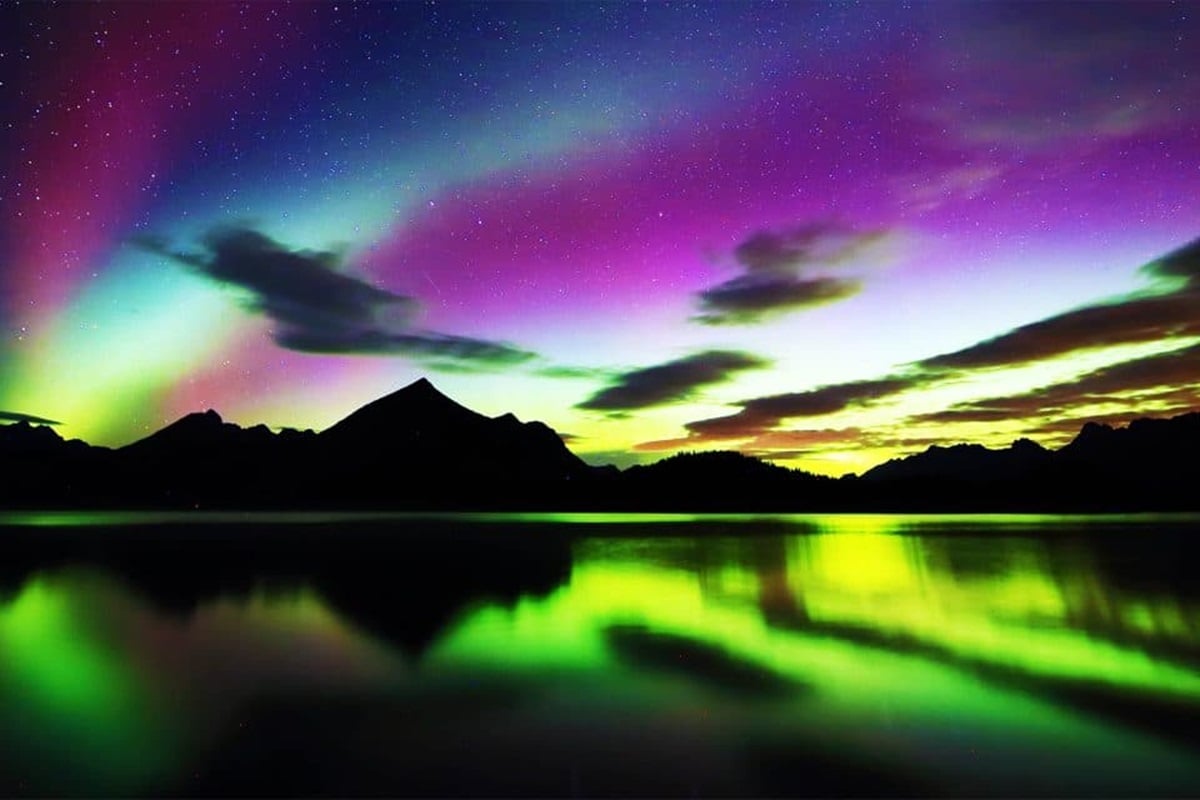
    In recent years, a peculiar celestial phenomenon has captured the attention of scientists and enthusiasts alike. Dubbed “Steve,” this mysterious purple ribbon of light has been observed streaking across the night sky, leaving astronomers and photographers in awe. But what exactly is Steve, and what secrets does it hold?
    "Steve" Phenomenon

    Origins and Characteristics

    Steve, short for Strong Thermal Emission Velocity Enhancement, is a fast-moving stream of extremely hot gases that travels westward at dusk, creating a stunning display of mauve light in the sky. Unlike traditional auroras, which typically display shades of green, blue, and red, Steve’s appearance is brief and characterized by its striking purple color. The Alberta Aurora Chasers Facebook group, known for their keen observations and stunning photography, brought this mysterious phenomenon to the forefront of scientific curiosity.

    Scientific Investigation

    ESA’s trio of magnetic-field monitoring Swarm satellites played a crucial role in understanding the nature of Steve. Through the analysis of Swarm satellite data, scientists discovered that Steve is actually a sub-auroral ion drift, or a strong thermal emission velocity enhancement. This finding suggests that Steve is not a traditional aurora, but rather a unique phenomenon driven by the interactions of Earth’s magnetic field and upper atmosphere.

    Search for Steve’s Twin

    Researchers have been intrigued by the possibility of a similar phenomenon occurring at dawn. Since there is an equivalent eastward stream of hot gases after midnight, scientists have hypothesized the existence of a dawn-side twin for Steve. Recent discoveries have shed new light on this enigmatic phenomenon, with the possibility of a dawn-side twin emerging.

    Citizen Science and Interdisciplinary Collaboration

    The discovery of Steve’s potential twin highlights the significance of citizen science. With the prevalence of digital cameras, almost everyone has the opportunity to contribute to scientific discoveries. The collaboration between scientists and photographers has been instrumental in uncovering the secrets of Steve, demonstrating the power of interdisciplinary cooperation in scientific discoveries.

    Steve, a mysterious purple ribbon of light, has captivated the imagination of scientists and enthusiasts alike. Through the analysis of Swarm satellite data and the contributions of citizen scientists, researchers have begun to unravel the mysteries of this enigmatic phenomenon. As we continue to explore the wonders of the night sky, the discovery of Steve’s potential twin serves as a testament to the importance of interdisciplinary collaboration and the power of citizen science in advancing our understanding of the universe.
  • Exploring the Enigmatic North Pole: Four Different Types You Should Know

    Exploring the Enigmatic North Pole: Four Different Types You Should Know

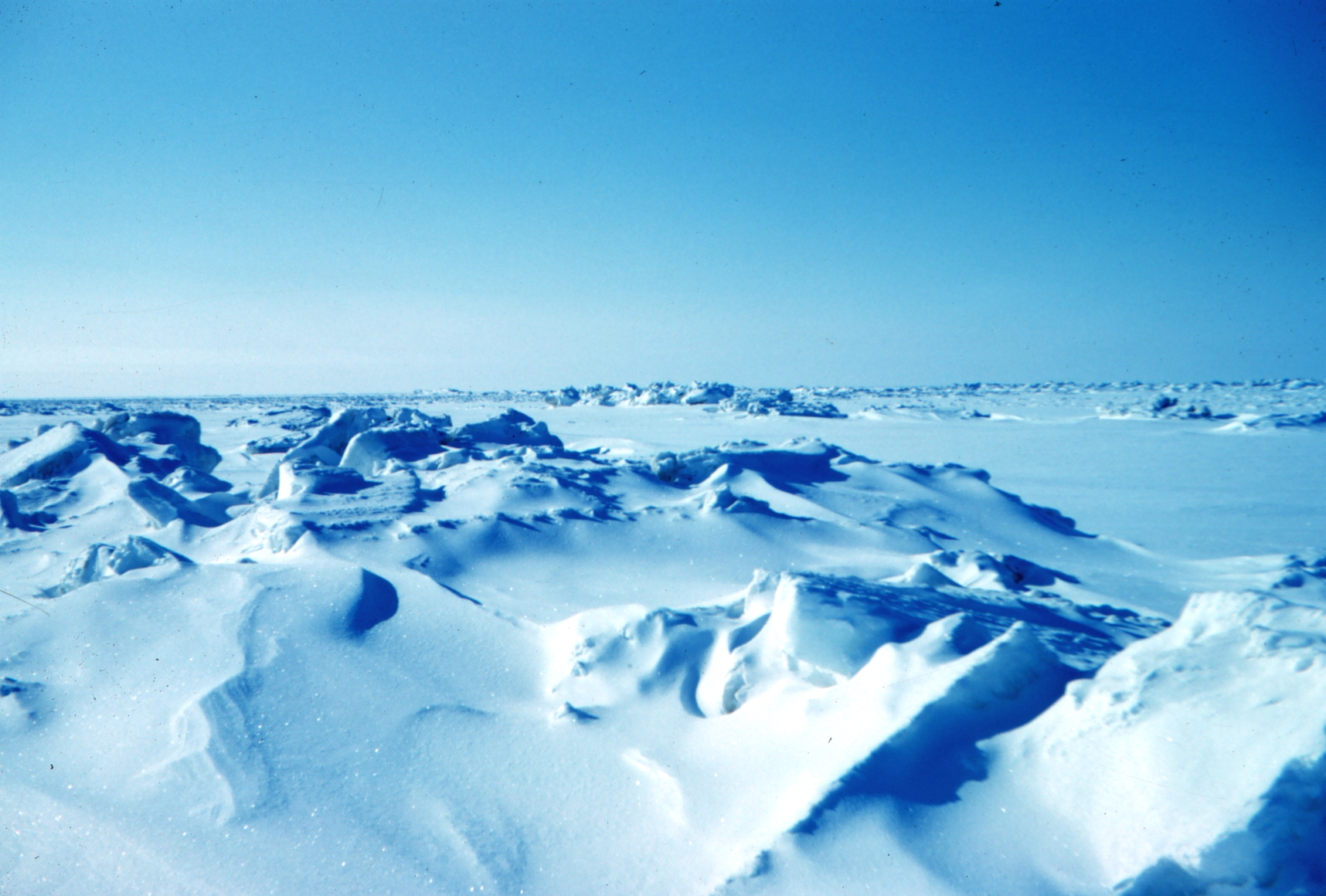
    Most people are familiar with the North Pole and the South Pole, but did you know there are actually four different types of North Poles? These are the geographic North Pole, magnetic North Pole, geomagnetic North Pole, and remote North Pole. Interestingly, the North Pole isn’t as cold as the South Pole, with temperatures typically 15 to 20 degrees Celsius higher.

    North Pole

    In the past, there were attempts to reach the North Pole using whaling ships, but breaking through the extensive ice proved to be incredibly challenging. A significant milestone in reaching the North Pole was achieved by the Norge airship, which successfully circled the North Pole and traveled as far as Alaska in the United States.

    However, not all North Pole expeditions went smoothly. An Italian airship met with a tragic accident during one such mission, resulting in the loss of half the airship’s passengers. On a brighter note, the renowned scientist Sir Edmund Hillary not only set foot on the geographic North Pole but also accomplished the remarkable feat of scaling Mount Everest and visiting the South Pole.

    Today, there is growing concern about the melting ice in the North Pole region due to both natural and human-induced factors, particularly climate change. Environmental scientists worry that the Arctic sea ice may disappear entirely within this century. This raises concerns about potential competition among superpower nations to extract valuable mineral resources from the seabed, which could have detrimental effects on the region’s fragile environment.

  • The Enigmatic Mysteries of Mount Kailash

    The Enigmatic Mysteries of Mount Kailash

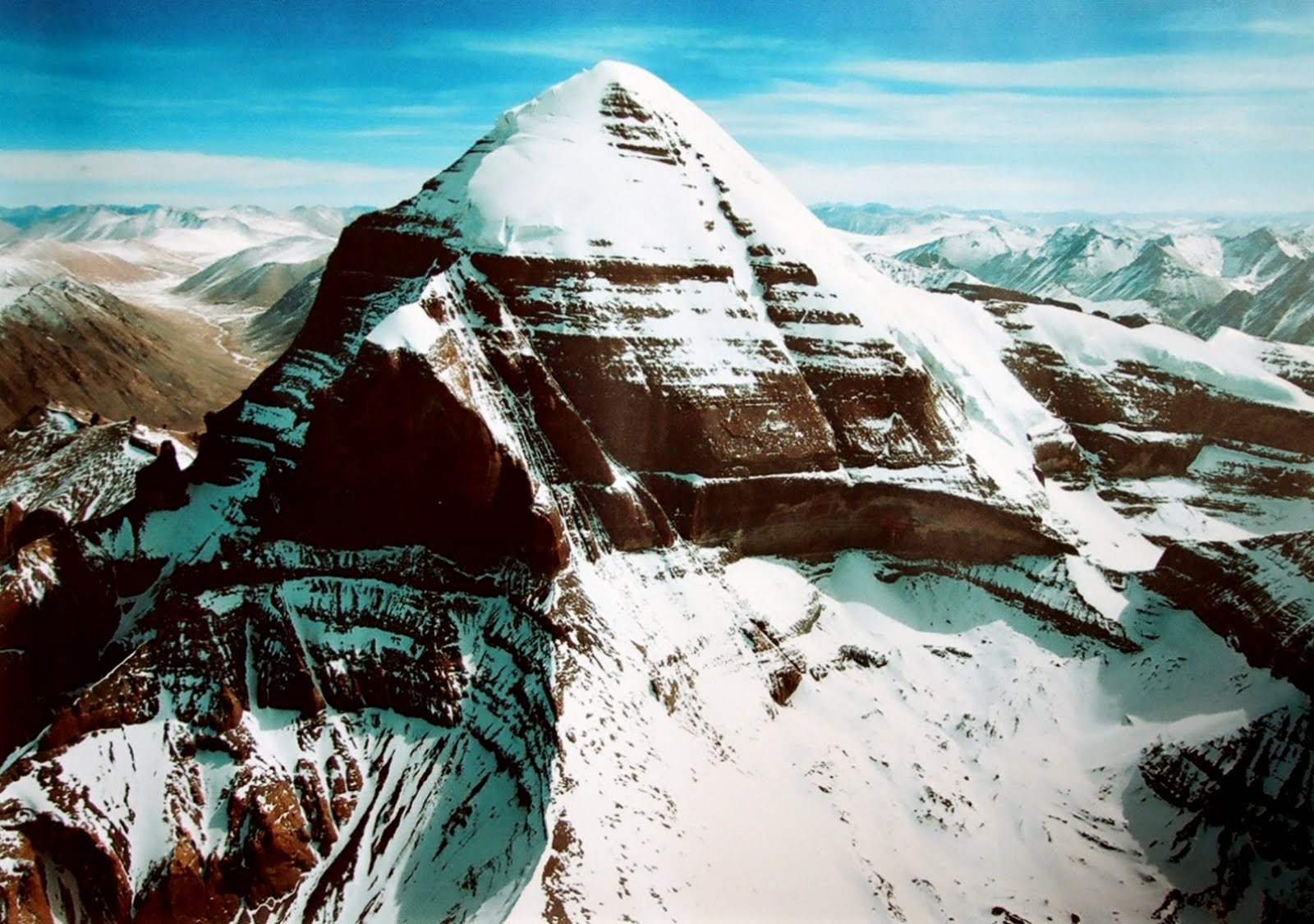
    Climbing Mount Kailash is an unusual experience as it seems to accelerate the aging process, yet the cause behind this phenomenon remains a mystery that science has not been able to explain. Mount Kailash, located in Tibet, is a unique and mysterious mountain. Many intriguing stories and legends surround it, making it a place of great fascination for both locals and travelers.

    Mount Kailash

    One of the most perplexing aspects of Mount Kailash is that people who spend time in its vicinity appear to age more rapidly than usual. Hair and nails are said to grow at an abnormal rate. This phenomenon remains unexplained by modern science.

    For Buddhists, Mount Kailash holds special significance as it is considered the heart of creation. In the beliefs of the local Tibetan inhabitants, this mountain is where the sky god resides. Due to its spiritual importance, climbing Mount Kailash is strictly prohibited.

    Mount Kailash is also home to Lake Manasarovar, and there have been historical disputes over its rights. Many myths and legends revolve around this place, with some suggesting that it is where the divine resides. This further discourages attempts to climb the mountain.

    Interestingly, no one—be it a traveler, scientist, or even satellites—has been able to uncover the mysteries of Mount Kailash. Its summit remains unapproachable, and no known path leads to the top. Moreover, the area around Mount Kailash hosts both freshwater and saltwater lakes, and the origins of these lakes remain shrouded in mystery.

    Russian scientists believe that there are supernatural forces at play around Mount Kailash. They suggest that spiritual masters can be contacted telepathically in this area, adding to the mountain’s enigmatic reputation.

    Legend has it that the elusive Yeti, also known as the “Snowman,” resides on Mount Kailash. Those who have attempted to climb the mountain have reported experiencing supernatural events and a feeling of their bodies ceasing to function properly. Scientists have even noted that Mount Kailash undergoes mysterious changes in appearance during the night.

    It is said that strange sounds can be heard emanating from Mount Kailash during the dark of night. These sounds are believed to be a result of the interaction between light and sound. The mountain also features a place called “Yama’s Door,” which is considered the entrance to the realm of the god of death.

    Additionally, Mount Kailash is known for the occurrence of a special seven-colored light in its sky. While scientists suggest that this phenomenon may be due to magnetic activity, the true cause remains uncertain. The mountain’s ability to encompass such a wide range of mysteries is indeed remarkable.

  • Secretive Bunkers and Venomous Snakes: Google Maps’ Enigmatic Spots

    Secretive Bunkers and Venomous Snakes: Google Maps’ Enigmatic Spots

    Google Maps is a powerful tool that allows us to explore almost every corner of the Earth, from the west to the east and from the south to the north. However, there are some places on our planet that Google Maps has marked as truly terrifying and shocking. In this article, we will discuss a few of these eerie locations.

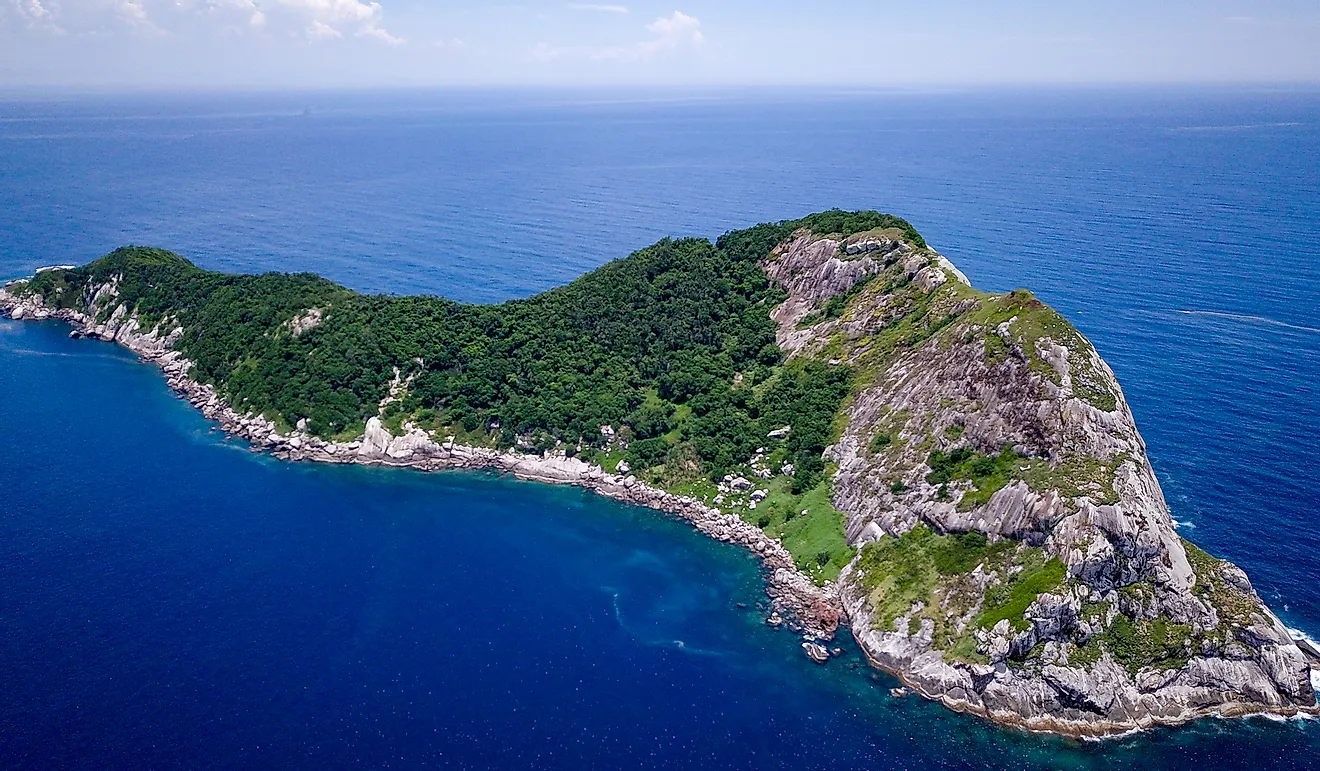
    Ilha Queimada Grande

    1. Raven Rock Mountain Complex
    Located in Pennsylvania, USA, the Raven Rock Mountain Complex is a massive underground bunker designed for protection during a nuclear war. It serves as an essential hub for various urgent military activities, often likened to an underground Pentagon. Access to this facility is strictly restricted, and the public is prohibited from inquiring about its operations.

    2. Ilha Queimada Grande
    Nestled off the coast of Brazil in the Atlantic Ocean, Ilha Queimada Grande is a small island that harbors thousands of venomous snakes, including the deadly golden pit viper. Interestingly, venomous snakes are rare in Latin America, but this island is an exception. The snake population is dwindling due to predation by hawks, with approximately one pit viper snake per square kilometer.

    3. Bohemian Grove
    Situated in the United States, Bohemian Grove spans an expansive 2,700 hectares. Each July, an exclusive and secretive gathering takes place here, attended by individuals from various professions, including musicians and celebrities. The meetings, which last for one to two weeks, are shrouded in mystery, with the content of discussions and actions taken remaining unknown to the public. Notably, women are not permitted to participate in these gatherings.

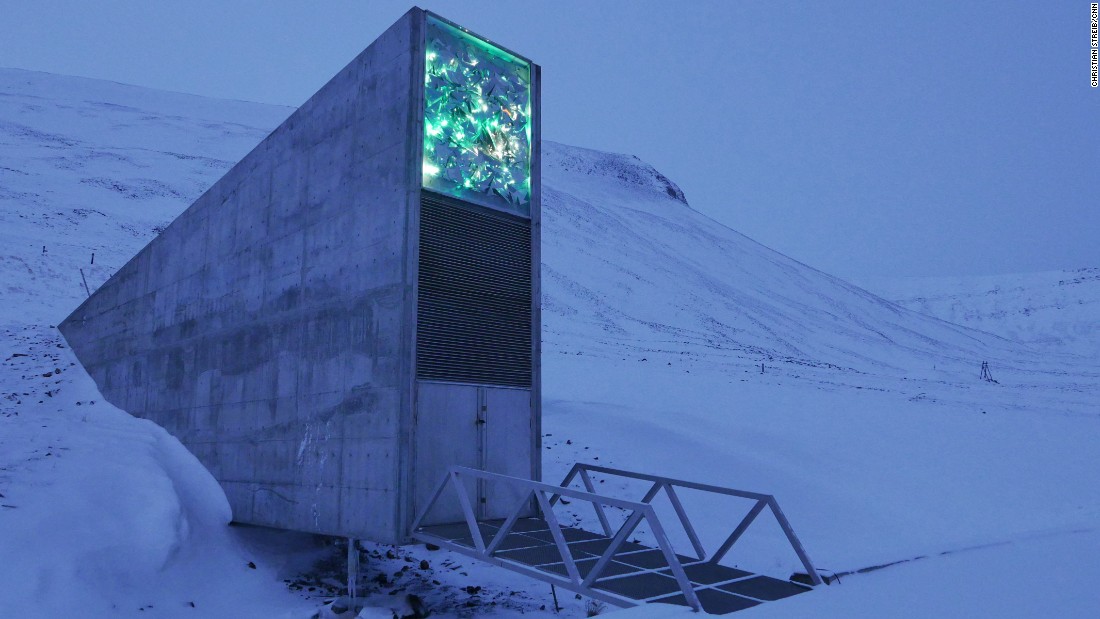
    Svalbard Global Seed Vault

    4. Svalbard Global Seed Vault
    Located near Norway in the North Sea, the Svalbard Global Seed Vault is an extensive facility that stores approximately 25 million tons of food grains. This vast seed vault is designed to safeguard food supplies in the event of a severe global food crisis. It is a project initiated and maintained by Norway, with the goal of ensuring food security for the world’s population.

  • Enigmatic Wonders of the Dead Sea: Why It’s Called ‘Dead’

    Enigmatic Wonders of the Dead Sea: Why It’s Called ‘Dead’

    The Dead Sea is a unique and mysterious place that has captured the imagination of many. Its name might sound ominous, but there’s much more to discover about this extraordinary body of water. In this article, we will explore the reasons behind its peculiar name and the fascinating characteristics that make it stand out.

    Dead Sea

    The Dead Sea is unlike any other lake or sea you may encounter. One of its most intriguing features is the ability to effortlessly float on its surface. This phenomenon is a result of the remarkably high salinity of the water, which prevents sinking and creates an extraordinary experience for swimmers.

    What truly sets the Dead Sea apart is the absence of aquatic life within its waters. This absence of living creatures is a significant factor in why it’s called the Dead Sea. Unlike typical bodies of water, such as oceans or lakes, where marine life thrives, the extreme salinity of the Dead Sea makes it inhospitable for most organisms.

    In the depths of the Dead Sea, you won’t find schools of fish, playful dolphins, or graceful sea turtles. Instead, the water harbors only fungi and bacteria that can tolerate the harsh conditions. These microorganisms are some of the few life forms that can survive in such a salty environment.

    Surprisingly, while the Dead Sea itself lacks aquatic life, its surrounding areas are teeming with diverse wildlife and flourishing flora. This contrast highlights the unique and somewhat eerie nature of the Dead Sea. It’s a place where the rules of aquatic life seem to be turned upside down.

    The salinity of the Dead Sea is a key factor in its remarkable buoyancy. The water here is incredibly salty, with a salinity level of 30%. To put this in perspective, the salinity of the Dead Sea is a staggering 8.6 times higher than that of regular seawater. This high salinity is responsible for the buoyant experience that visitors encounter when they immerse themselves in its waters.

    To understand the origin of the Dead Sea, we must delve into its geological history. It is believed that around 30 million years ago, the waters of the Jordan River once flowed into what is now the Red Sea. Over time, geological shifts occurred, causing the land between the Mediterranean Sea and the Red Sea to rise and form distinct bodies of water, including the Dead Sea.

    In addition to its geological significance, the Dead Sea holds cultural and historical importance in various traditions. According to Islamic beliefs, the people of this region engaged in sinful activities, and as a result, the land and waters took on a desolate quality.

    The exceptional buoyancy experienced in the Dead Sea can be attributed to its rich mineral content. The water is laden with magnesium chloride, calcium chloride, and sodium chloride, all of which contribute to its unique properties.

  • Majestic Oak: Britain’s Largest and Most Enigmatic Tree

    Majestic Oak: Britain’s Largest and Most Enigmatic Tree

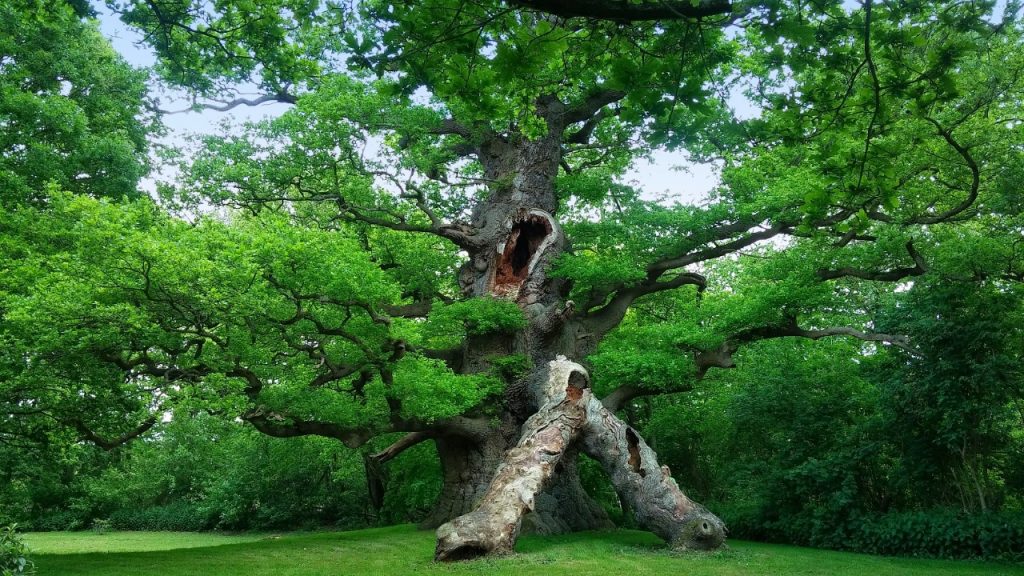
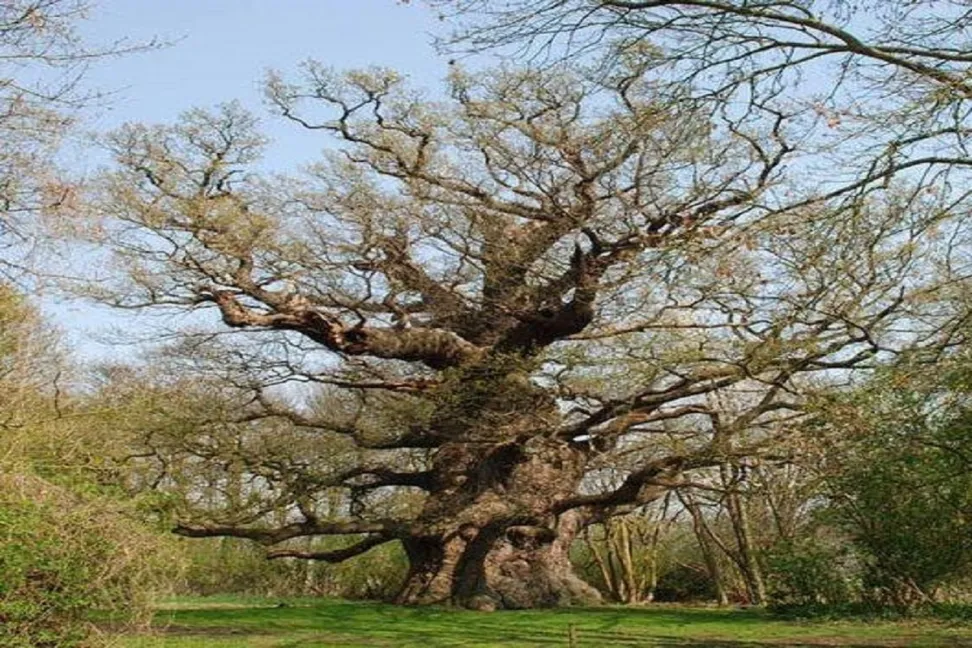
    The term “Majesty” is linked to a colossal tree in the United Kingdom. Those who had the opportunity to witness this tree in person were left in awe, often describing it as “magnificent” or “stunning.” It is arguably one of the most captivating trees in all of Britain.

    Majesty

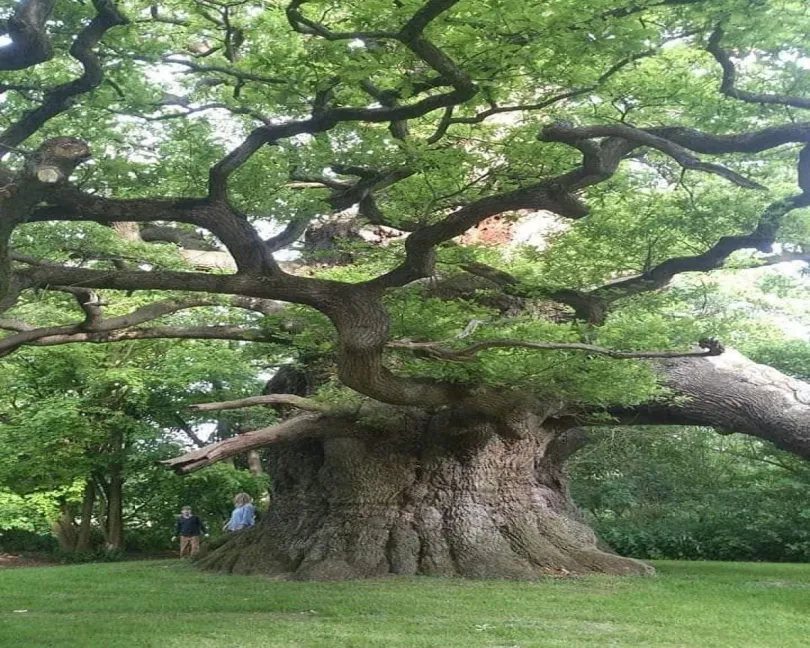
    The mere sight of this tree has left countless people astonished. It stands as the largest oak species in the UK, and despite some sections showing signs of damage, it remains one of the healthiest oak species.

    Majesty

    In the early 20th century, a portion of the southern part of the tree, about 3-4 meters, was trimmed. The tree boasts a hollow interior with a sizable hole in its midst. Another significant pruning took place in August 2009 when a northern branch of the tree was removed.

    Majesty

    Determining the exact age of this venerable tree has sparked various debates and conflicting theories. Many firmly believe that this colossal tree has graced the earth for at least a millennium. However, in the 1990s, botanist Alan Michel proposed a different perspective, suggesting that the tree’s age might not exceed 450 years.

    Majesty

    To investigate its age, Michel conducted research on 50 ancient oaks, all of which were located in Europe. His findings indicated that the tree experienced rapid vertical growth during its youthful stages.