

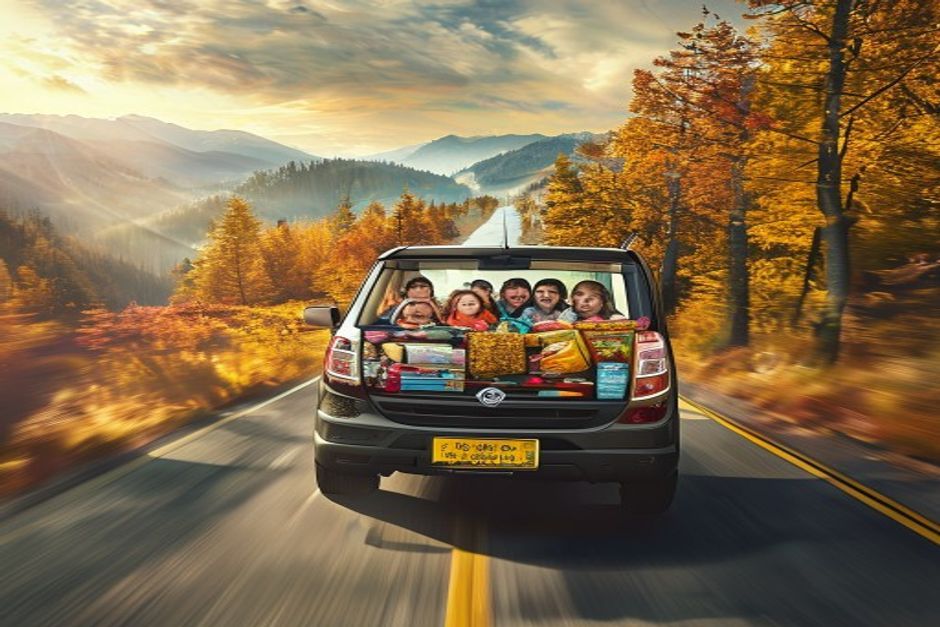
You book a hotel, pack snacks, and map the route. Then your toddler screams for three hours. Or your teen refuses to get out of the car. The problem is age. Each kid needs different pacing, different activities, different food. One size never fits all on a family road trip.
Key Takeaways
- Match trip pacing to your youngest child’s needs, not the oldest’s.
- Pack separate activity bags for each age group.
- Build in rest stops every two hours even if no one needs a bathroom.
Infants and Toddlers (0 to 3)
These kids have the shortest attention spans. They also nap, which is a gift. Plan driving blocks around their nap times.
Stop every 90 minutes at a minimum. Diaper changes and feeding breaks take 20 minutes. That adds time to your trip. Accept it.
Pack a portable changing pad, wipes, and a change of clothes for everyone. Not just the baby. Spit-up and spills happen.
Bring a white noise app for car naps. It blocks road sounds. Keep the car cool. A hot baby is a screaming baby.
Never leave a child alone in the car. Not even for a quick stop.
Food: Breastmilk or formula is easy. For solids, bring pouches and crackers. Avoid messy finger foods in the car.
Preschoolers (4 to 6)
These kids ask “Are we there yet?” after ten minutes. They have endless energy.
Stop at playgrounds or rest stops with open space. Let them run for 15 minutes. It resets their mood.
Pack a car activity bag. Include coloring books, sticker books, and magnetic toys. Avoid small pieces that fall on the floor.
Use a tablet with headphones for short periods. Preload shows and games. No WiFi needed.
Schedule one major attraction per day. A zoo, a children’s museum, or a splash pad. Don’t overprogram.
Bathroom access is critical. They can’t hold it. Carry a portable potty for emergencies.
Safety: Use a 5-point harness car seat until they outgrow it. Check the height and weight limits on your car seat.
School-Age Kids (7 to 12)
These kids can read and play independently. But they get bored and argue.
Give them a map or a kid-friendly travel journal. They can track the route and write about stops.
Pack headphones and audiobooks. Whole-family audiobooks work too. Choose a series everyone likes.
Let them help plan one stop. Maybe a weird roadside attraction or a state park. Ownership reduces complaining.
Stroller needs vary. For long walking days at a national park, a stroller still helps. For city trips, maybe not.
Food: They eat more now. Bring sandwiches, fruit, and granola bars. Avoid too much sugar. It leads to crash and burn.
Costs add up at attractions. Many offer family rates. Check official websites for current pricing before you go.
Teens (13 and Up)
Teens want autonomy and good WiFi. Let them plug in.
Give them their own screen time. They can listen to music or watch shows. Set ground rules for volume.
Involve them in navigation. Hand them a phone with GPS. They can be the co-pilot.
Stop at places they choose. A quirky diner, a skate park, a hiking trail. Let them take photos for social media.
Teens care about comfort. Make sure they have neck pillows and blanket space.
Don’t force family bonding every minute. They need alone time. That’s okay.
Safety: Teen drivers are tempting but illegal in many states to let them drive. Stick to the law.
Table: Age Groups and Road Trip Challenges
| Age Group | Main Challenges | Best Solutions |
|---|---|---|
| 0-3 | Short patience, diapers, naps | Drive during naps, stop often |
| 4-6 | Restlessness, potty emergencies | Run-around breaks, portable potty |
| 7-12 | Boredom, sibling fights | Audiobooks, let them plan a stop |
| 13+ | Independence, screen wants | Co-pilot role, own devices |
Pacing and Realistic Itineraries
Don’t drive more than five hours a day with young kids. That includes all stops. For teens, you can push six or seven.
Plan a rest stop every two hours. Even if no one needs a bathroom. Stretch legs, get air.
Book hotels with free breakfast. It saves money and time in the morning.
Consider staying two nights in one place. That gives a full day to explore without unpacking again.
Allow for downtime. Afternoon naps or pool time. Overstimulated kids melt down. So do parents.
Final Practical Tip
One stress saver: Pack a separate bag for each kid with their own snacks, toys, and a water bottle. Label it. Let them carry it. It gives them control and you less searching.
Frequently Asked Questions
How often should we stop on a road trip with kids?
Stop every 90 minutes to two hours. Even a quick stretch break helps. With toddlers, you may need to stop sooner.
What snacks are best for a long car ride?
Pack non-messy, low-sugar options. Think crackers, cheese sticks, fruit pouches, and water. Avoid sticky items.
Do we need a portable potty for preschoolers?
Yes, it’s a lifesaver. Emergency situations happen. A small foldable potty with bags is easy to store.
How do we keep teens entertained without constant arguments?
Give them their own device and set clear expectations for volume and time. Let them help with navigation or music selection.