
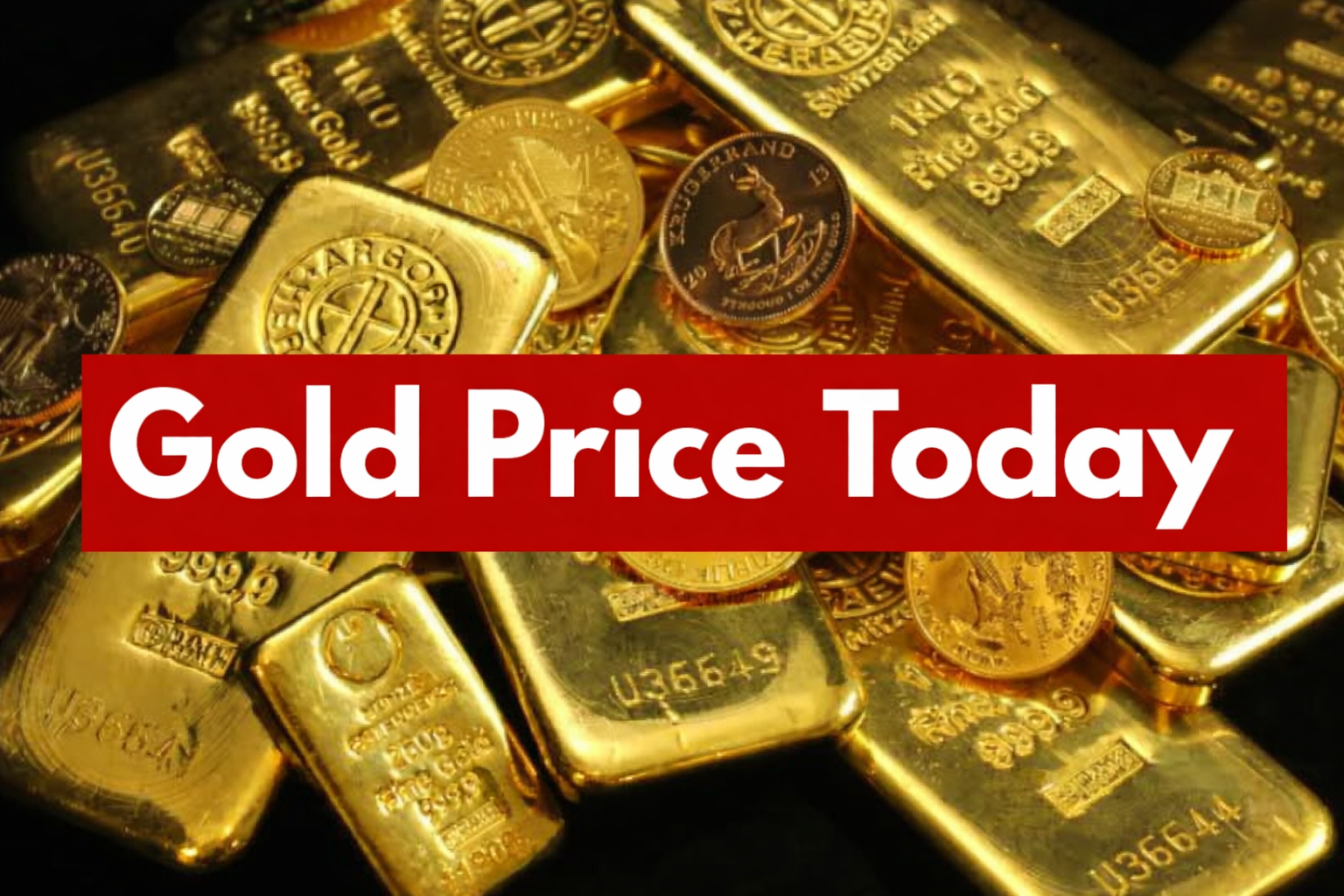
Gold price today slipped nearly five percent after touching record highs in global markets. The fall came as investors booked profits following a sharp rally. Attention is now shifting to interest rates, the US dollar, and central bank signals.
The decline has raised questions among investors about whether gold will fall further or stage a recovery. Other metals like silver and copper also corrected during the same period.
Gold Price Today Slides After Rapid Rally
Gold price today corrected sharply after weeks of strong gains that pushed prices to historic levels. Market participants moved quickly to lock in profits once momentum slowed. Analysts said the speed of the earlier rally made gold vulnerable to a short-term pullback.
According to Reuters, the selling pressure was driven more by positioning than by a sudden drop in demand. Many traders had built large bullish bets as gold climbed to record highs. Once prices stalled, profit booking accelerated.
A firmer US dollar also added pressure. Gold is priced in dollars, so a stronger currency makes the metal more expensive for overseas buyers. Stable US bond yields reduced the urgency to hold non-yielding assets like gold in the short term.
Silver saw an even sharper decline. Analysts noted that silver markets are smaller and more speculative. This makes prices more sensitive to sudden exits when sentiment shifts.
Interest Rates, Fed Policy, and Global Signals in Focus
Gold price today is closely tied to expectations around US interest rates. The Federal Reserve kept rates unchanged at its latest meeting. However, policymakers signaled they want more clarity on inflation before cutting rates.
If interest rates stay higher for longer, gold may face near-term pressure. Higher rates increase the opportunity cost of holding gold. This often leads investors to rotate into bonds or cash.
At the same time, markets continue to price in possible rate cuts later in the year. Any clear signal of easing from the Federal Reserve could revive demand for gold. Lower rates typically support gold prices by reducing returns on fixed-income assets.
Geopolitical developments are another key factor. Ongoing tensions in the Middle East and uncertainty around global trade continue to support gold’s role as a hedge. Analysts say these risks limit the downside even during corrections.
What Gold’s Pullback Means for Investors
Despite the fall, gold price today remains significantly higher compared to last year. Analysts say the broader trend is still supported by central bank buying and long-term inflation concerns.
Data from major gold-backed ETFs shows holdings have risen to multi-year highs. Central banks in emerging markets continue to add gold to their reserves as a diversification strategy. This provides a strong base of demand.
Market experts advise investors to avoid panic selling. Short-term volatility is common after record highs. Staggered buying or holding through corrections is often used to manage price swings.
Long-term investors are watching inflation data, Federal Reserve guidance, and global risk indicators. These factors will likely determine whether gold consolidates further or resumes its upward move.
Gold price today reflects a pause after an exceptional run rather than a trend reversal. Investors focused on fundamentals may still see gold as a long-term hedge amid global uncertainty.
FYI (keeping you in the loop)-
Q1: Why did gold price today fall after record highs?
Gold fell mainly due to profit booking after a rapid rally. A stronger dollar and stable interest rates also reduced short-term demand.
Q2: Will gold price today fall further in the near term?
Further dips are possible if interest rates remain high. However, strong central bank demand and geopolitical risks may limit losses.
Q3: Is this a good time to invest in gold?
Many analysts suggest avoiding panic decisions. Long-term investors often use corrections to average positions rather than exit fully.
Disclaimer: This article is for informational purposes only and does not constitute financial or investment advice. Market conditions can change rapidly. Readers should consult a qualified financial advisor before making any investment decisions.