
Who Is Alina Amir? The question began trending after a video clip allegedly involving the Pakistani social media influencer circulated widely online in late January 2026. The incident quickly sparked debate around misinformation, privacy, and the growing misuse of deepfake technology.
Alina Amir has firmly denied the claims. She stated that the video does not depict real events and was digitally created to harm her reputation.
Who Is Alina Amir and Why Is She Trending?
Who Is Alina Amir? She is a Pakistani social media influencer known for lifestyle-focused content and short videos shared primarily on Instagram. Over time, she has built a visible online presence and an engaged audience.
The controversy began when a nearly five-minute clip started circulating across multiple platforms. Social media users linked the video to Amir without verification.
Amir responded through a public Instagram statement. She said the clip was fabricated using artificial intelligence tools.
She explained that she initially chose silence, believing the rumors would fade naturally. She later decided to speak out after the continued spread began affecting her personally.
Amir urged users to verify information before sharing it. She warned that false content can cause serious emotional and reputational damage.
The video appeared amid online discussions of other alleged viral clips involving public figures. These parallel trends intensified speculation and confusion.
Amir’s response focused on denial and awareness. She emphasized that the content was fake and warned about the dangers of AI-generated misinformation.
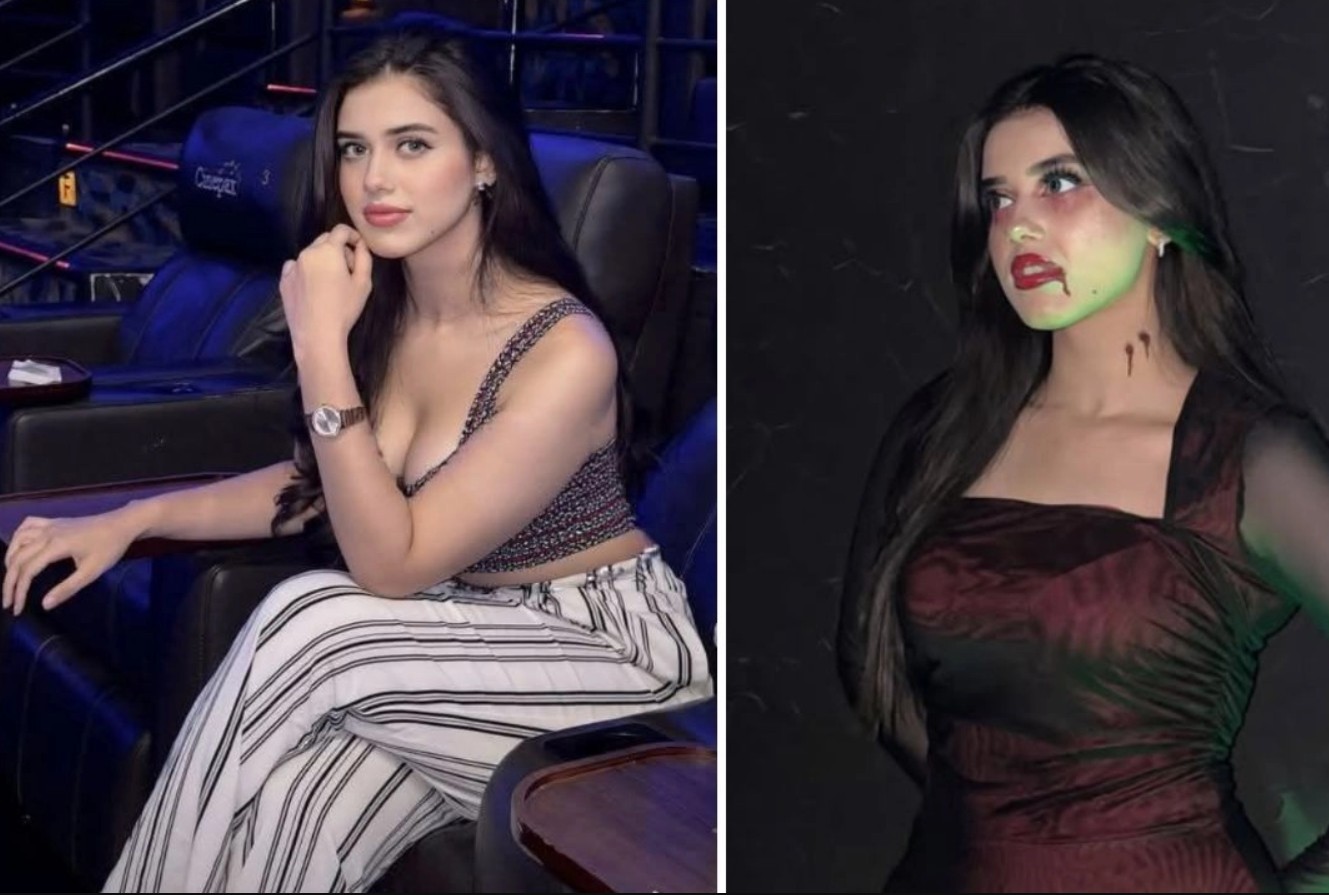
Deepfake Allegations and Call for Action
In her statement, Amir appealed to authorities to take action against those creating and distributing deepfake content. She described such videos as a serious threat to personal safety and dignity.
She highlighted how AI-generated videos can be used as tools for harassment. According to Amir, the lack of accountability encourages repeat offenses.
Amir also announced a cash reward for information leading to the identification of the creators behind the video. She framed this as an effort to discourage future misuse.
Her appeal reflects a wider concern across South Asia. Influencers and public figures have increasingly reported deepfake abuse online.
Once such content spreads, removal becomes difficult. Even after denials, misleading narratives often continue to circulate.
The case has renewed discussion around digital safety and platform responsibility. Experts have warned that technology is advancing faster than regulation.
Broader Context of Viral MMS Claims
The Alina Amir incident fits a growing pattern on social media. Viral allegations often gain attention before facts are confirmed.
Short video clips are easily reshared across apps within minutes. Algorithms tend to amplify sensational content.
For influencers, the impact can be immediate. Careers, mental health, and personal security may be affected.
Legal options remain limited in many regions. Victims often rely on public clarification and platform reporting tools.
The situation has strengthened calls for stricter digital laws. Many argue that deepfake misuse needs urgent legal oversight.
Who Is Alina Amir? She has now become part of a larger conversation about misinformation and accountability online.
Final wrap-up: The viral claims involving Alina Amir underline the risks of unchecked digital content. Amir has denied the allegations and called for action. Her case highlights the need for verification and stronger protections online.