
The Cody Bellinger contract is now official, with the New York Yankees committing to the veteran outfielder on a massive long-term deal. The agreement was finalized in January 2026 and immediately reshaped the Yankees’ roster outlook.
The move secures a proven bat and defender for a team firmly in win-now mode. At the same time, several contract details have sparked debate across the league.
The Cody Bellinger contract is a five-year agreement worth $162.5 million with the New York Yankees. It carries an average annual value of $32.5 million, placing it among the most expensive deals for an outfielder in today’s market.
The contract includes opt-out clauses after the second and third seasons. It also contains a full no-trade clause, giving Bellinger complete control over his future. In addition, the deal features a reported $20 million signing bonus paid up front.
From the Yankees’ perspective, the structure was necessary to secure the player. The free-agent market offered limited alternatives for a reliable everyday left fielder. Internal options were unproven at the major league level, and the team prioritized stability.
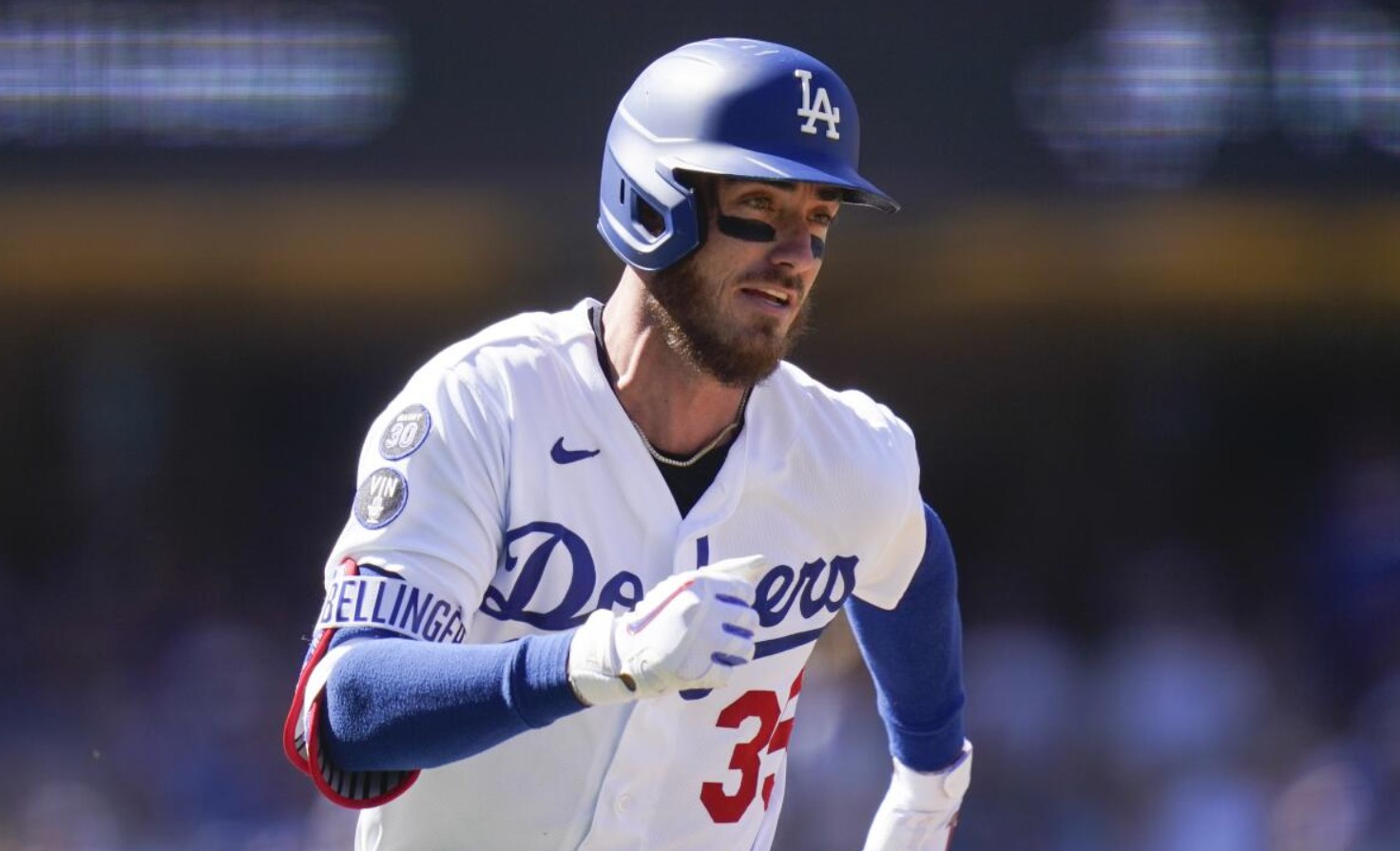
Bellinger entered the deal at age 30 with a mixed recent performance profile. He has delivered elite production at his peak, including an MVP-caliber season earlier in his career. However, his output over the last several seasons has been uneven due to injuries and inconsistency.
In 2024, Bellinger posted a .751 OPS with the Chicago Cubs. That line reflected solid but not dominant production. It also reinforced questions about whether he can sustain top-tier performance deep into his 30s.
The opt-out clauses could protect the Yankees if Bellinger rebounds to elite form and chooses to leave early. However, if performance declines, those opt-outs may go unused. In that scenario, the full length of the Cody Bellinger contract would remain on the books.
The Yankees evaluated this deal through the lens of contention. With their core centered around established stars, roster regression was not an option. The front office prioritized immediate competitiveness over long-term flexibility.
The no-trade clause limits future maneuverability. If performance drops, the Yankees would have little ability to reshape the contract through a trade. This dynamic has drawn comparisons to prior long-term deals that became difficult to manage.
Still, the organization viewed the risk as acceptable. The lineup needed balance and left-handed power. Defensive versatility also played a role in justifying the commitment.
The timing matters as well. The franchise remains focused on maximizing its championship window while Aaron Judge continues to anchor the roster. That urgency influenced the final structure of the Cody Bellinger contract.
The Cody Bellinger contract delivers immediate value but carries clear long-term risk. For the Yankees, the deal reflects a calculated bet on contention today, even if flexibility becomes tighter tomorrow.