
The latest artificial intelligence applications in everyday life are now shaping how people work, communicate, shop, and stay healthy. These tools are already embedded in phones, homes, offices, and public services. Their impact is practical, visible, and expanding fast.
Artificial intelligence is no longer limited to research labs or tech companies. Everyday users now interact with AI multiple times a day, often without noticing it. This shift is changing habits, expectations, and productivity across societies.
Latest Artificial Intelligence Applications in Everyday Life
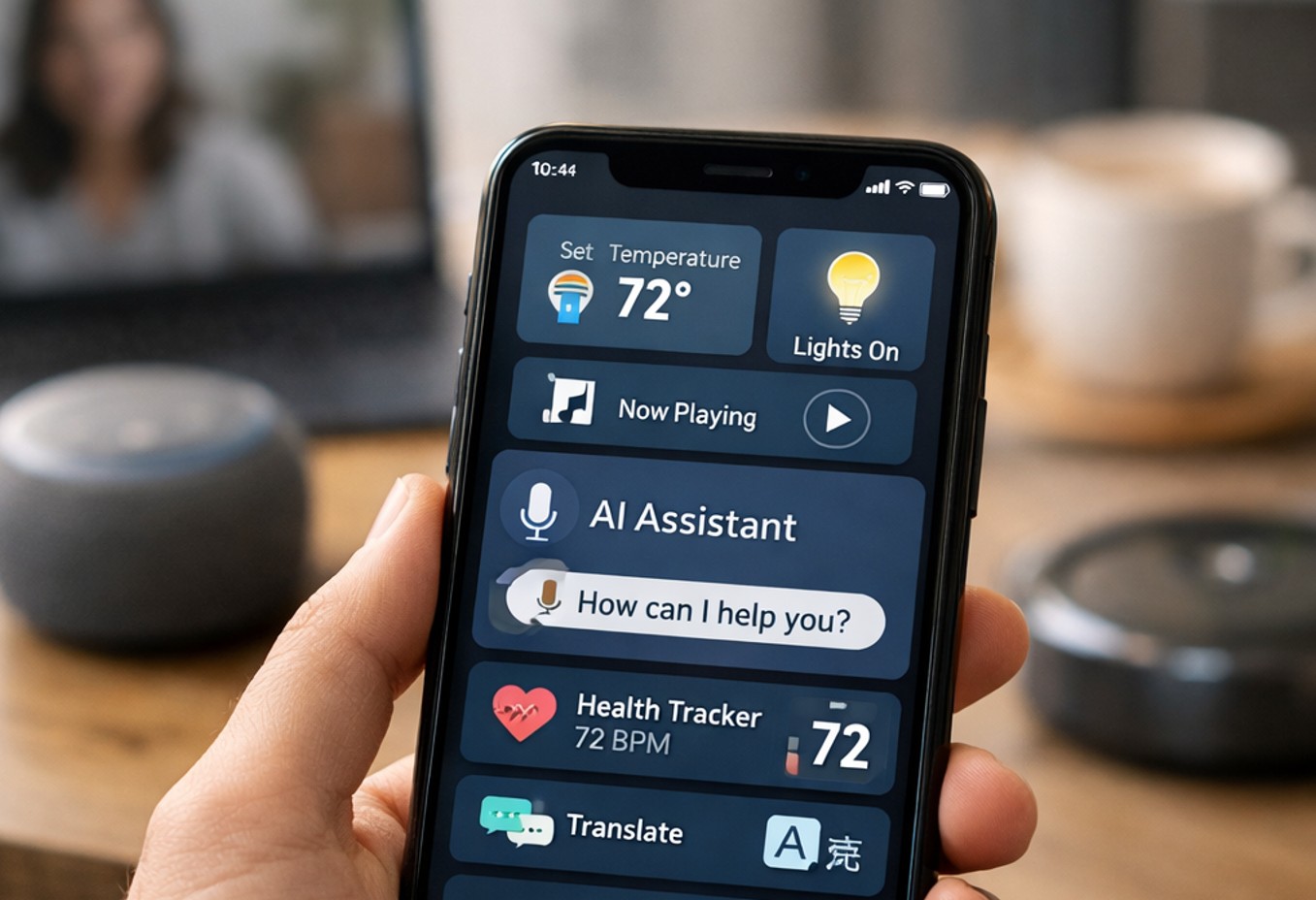
The latest artificial intelligence applications in everyday life are most visible through smartphones and personal devices. Voice assistants help users set reminders, control smart homes, and search information using natural language. AI-powered cameras enhance photos automatically by adjusting lighting, focus, and background blur in real time.
In communication, AI is improving email filtering, spam detection, and message suggestions. Many people rely on smart keyboards that predict text and correct grammar instantly. Translation tools powered by AI now offer near real-time language conversion for calls and messages.
Healthcare has also seen strong adoption of everyday AI tools. Wearable devices use machine learning to track heart rate, sleep patterns, and physical activity. Some apps can flag irregular health trends and prompt users to seek medical advice earlier.
Shopping habits are changing due to AI-driven recommendations. Online platforms analyze browsing and purchase behavior to suggest products more accurately. Dynamic pricing and personalized offers are now common features in e-commerce experiences.
In transportation, AI supports navigation apps with real-time traffic prediction and route optimization. Ride-hailing services rely on AI to match drivers with passengers efficiently. Advanced driver-assistance systems in cars use AI to support braking, lane control, and parking.
At home, smart appliances learn user preferences over time. AI-powered thermostats adjust temperatures automatically to save energy. Robot vacuum cleaners map rooms and improve cleaning efficiency with repeated use.
Workplaces are also benefiting from practical AI tools. Document summarization, meeting transcription, and scheduling assistants save time. Customer service chat systems now handle routine queries with high accuracy.
Broader Context and Real-World Impact
The growing presence of AI in daily routines reflects wider digital adoption trends. Companies are focusing on efficiency, personalization, and automation rather than experimental use. This approach aligns with global technology standards reported by major news organizations.
Governments and businesses are also paying closer attention to data protection and transparency. Responsible AI deployment has become a priority as usage increases. These measures aim to balance innovation with public trust.
The latest artificial intelligence applications in everyday life are no longer optional tools. They are becoming essential systems that quietly support daily decisions, convenience, and productivity across modern society.