
Sony Bravia TV production is entering a new phase as Sony confirms it will stop manufacturing televisions on its own. The company will place its TV and home audio division under a new joint venture led by TCL, while keeping the Bravia brand alive.
The move was announced in January 2026 and is expected to take effect from April 2027, subject to approvals. Sony will remain involved in technology and branding, but TCL will control manufacturing and operations.
The new joint venture will be majority-owned by TCL, which will hold a 51 percent stake. Sony will retain the remaining 49 percent and continue to influence product strategy, image processing, and audio technologies. The Bravia name will stay on future televisions sold globally.
Sony has clarified that it is not exiting the TV market. Instead, it is changing how Sony Bravia TV models are built and delivered. TCL will handle manufacturing, supply chains, and scale, while Sony contributes display tuning, sound engineering, and brand oversight.
This structure reflects the reality of today’s television market. Sony stopped producing its own LCD and OLED panels years ago and now relies on external suppliers. At the same time, TCL has invested heavily in panel factories, vertical integration, and cost control.
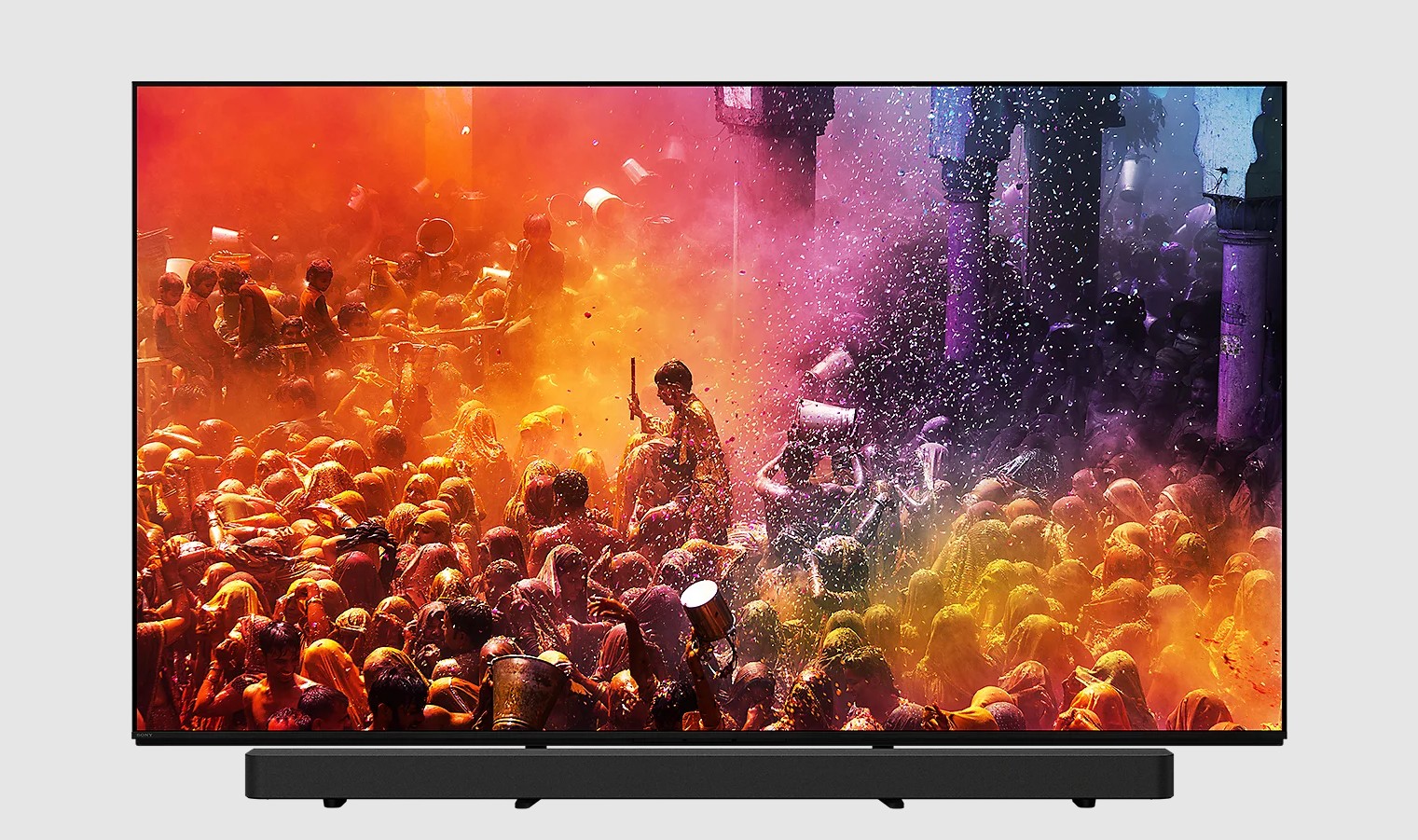
The partnership allows Sony Bravia TV products to remain competitive without Sony carrying the full cost of manufacturing. TV margins are thin worldwide, and price pressure from Samsung, LG, Hisense, and TCL has intensified in recent years.
Sony executives have stated that the goal is to continue delivering premium viewing experiences. This includes Sony’s well-known picture processing, motion handling, and sound calibration that are closely linked to its professional camera and film production ecosystem.
The global TV industry has shifted toward scale-driven competition. Companies that control panels, factories, and logistics can move faster on pricing. TCL has followed this model and expanded aggressively across markets.
Sony Bravia TV models have traditionally been positioned at higher prices. Many buyers still value Sony’s image accuracy and sound quality. However, frequent discount cycles and rapid feature updates have reduced the advantage of premium branding alone.
By partnering with TCL, Sony reduces operational risk while staying present in living rooms worldwide. Industry analysts quoted by outlets such as Reuters and CNET have described the move as pragmatic rather than retreating.
For consumers, Sony Bravia TV sets will continue to exist, but the manufacturing origin and cost structure will change. Over time, this could result in more competitive pricing while preserving Sony’s software and tuning strengths.
Sony Bravia TV remains part of Sony’s future, but under a new operating model. The brand stays. Manufacturing shifts. The strategy reflects how the TV business now works.