
Chinese EVs Canada has become a flashpoint after Ontario Premier Doug Ford called on Canadians to boycott Chinese-made electric vehicles. His remarks came Wednesday following a new federal deal with China that allows limited EV imports into Canada.
The agreement was reached during Prime Minister Mark Carney’s recent visit to China. It will permit annual imports of Chinese electric vehicles in exchange for reduced Chinese tariffs on Canadian canola.
Under the deal, Canada will allow up to 49,000 Chinese-made electric vehicles to enter the country each year. In return, China will ease restrictions on Canadian canola exports that have weighed on farmers.
Ford said the federal government did not consult Ontario before finalizing the agreement. He warned that the decision could weaken Canada’s domestic auto sector, which is heavily concentrated in Ontario.
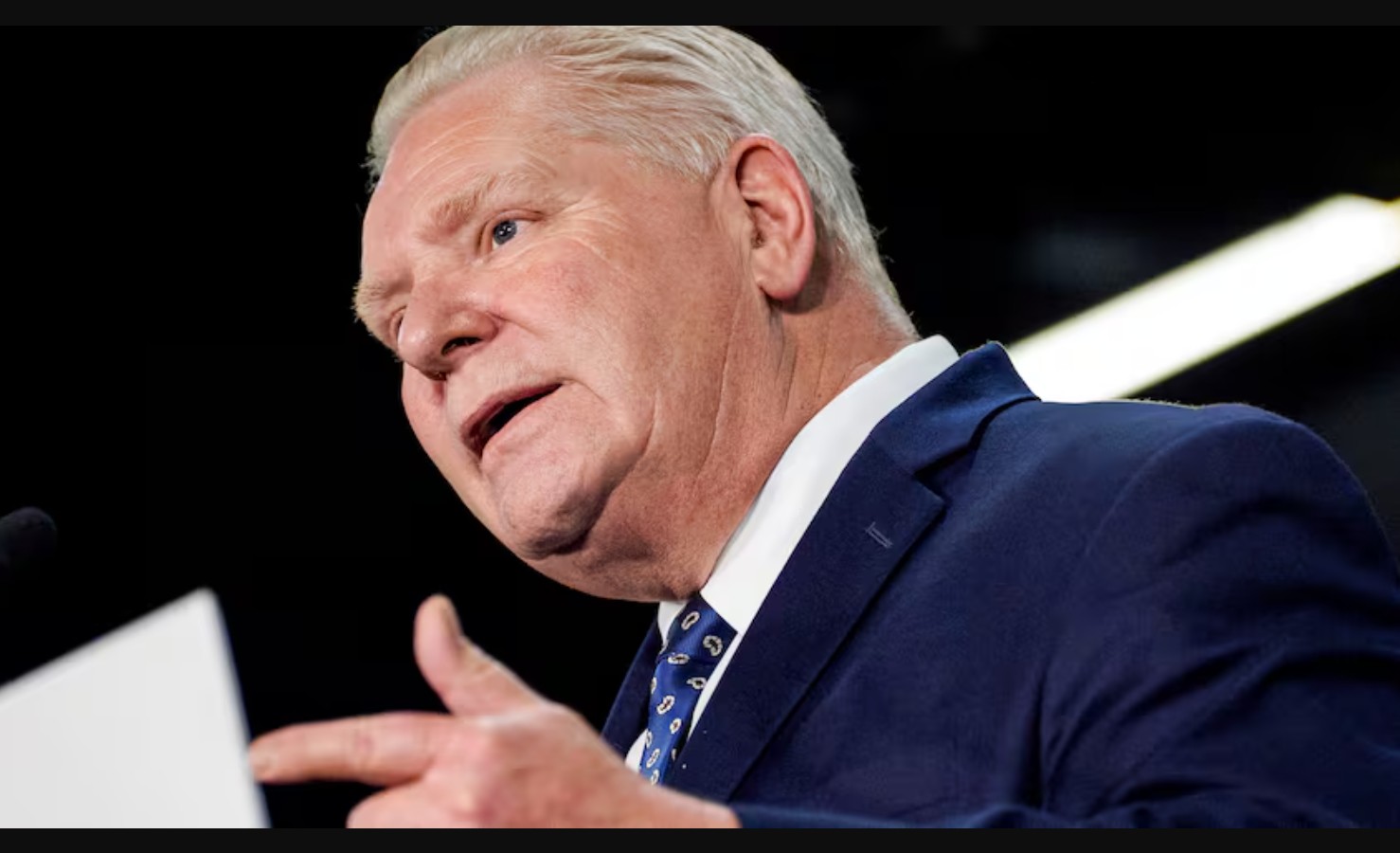
Speaking at a Toronto news conference, Ford urged consumers to avoid Chinese EVs once they arrive. He said Canadians should instead support manufacturers that build vehicles in Canada and employ Canadian workers.
Ford argued that Chinese automakers are unlikely to establish meaningful manufacturing operations in Canada. He said the country risks opening its market without securing long-term investment or job guarantees.
Auto industry leaders echoed those concerns. Representatives from vehicle manufacturers, parts suppliers, and labour unions joined Ford in criticizing the agreement.
Industry officials said the original 100 per cent tariff on Chinese EVs was designed to protect Canada’s growing electric vehicle investments. They warned that easing those tariffs could undermine plants already under financial pressure.
According to industry estimates, an annual import volume of roughly 50,000 vehicles could equal the output of a full production shift at a Canadian auto plant. That level of competition could affect thousands of direct and supplier jobs.
The federal government has defended the deal as a strategic trade opportunity. Carney has said Chinese automakers have expressed interest in producing affordable electric vehicles in Canada.
Labour leaders counter that interest does not equal commitment. They pointed to China’s large EV manufacturing overcapacity and its ability to supply foreign markets without relocating core production.
Union representatives warned that even if assembly operations were set up in Canada, key components and supply chains could remain in China. They said this model limits job creation and domestic value.
The controversy comes as Canada’s auto sector faces pressure from multiple fronts. Ongoing trade uncertainty with the United States has already raised concerns about tariffs and market access.
Industry groups are now urging Ottawa to offset the China deal with stronger domestic support. Their proposals include lowering investment costs, increasing incentives for research and development, and helping suppliers modernize.
They argue that without additional measures, Canada risks losing competitiveness during a critical transition to electric vehicles. The debate over Chinese EVs Canada highlights the tension between trade access and industrial protection.
As Chinese EVs Canada prepares to open its market under the new quota system, political and industry opposition remains intense. The outcome could shape Canada’s electric vehicle strategy and auto jobs for years to come.