
The Bangladesh cricket T20 World Cup dispute has escalated after the ICC rejected the BCB’s request to move Bangladesh’s group matches out of India. The ICC says security assessments do not show a credible threat at the scheduled venues and the tournament will follow the published schedule.
Bangladesh now faces a simple choice under the ICC’s position. Either confirm participation under the existing venue plan or risk being replaced, with the clock running on a short decision window.
The BCB asked for Bangladesh’s matches to be shifted to Sri Lanka, citing safety concerns amid heightened political tension. The ICC board reviewed the request in an emergency meeting and refused to relocate fixtures, stressing that late changes would disrupt planning and create governance precedent issues.
The ICC’s official line is that it has considered independent security assessments, venue security plans, and host assurances. On that basis, it has maintained that Bangladesh can be hosted safely at the designated Indian venues and that the tournament schedule will proceed unchanged.
In response, BCB officials have publicly signaled that they are still trying to create a last opening for a solution. At the same time, multiple reports indicate players want clarity and prefer to play the tournament, rather than see their World Cup participation used as leverage in a broader dispute.
The wider backdrop has included the IPL-related flashpoint involving Bangladesh fast bowler Mustafizur Rahman and Kolkata Knight Riders. The episode intensified tensions and became closely linked, in public discussion, to the World Cup venue standoff, even as the ICC has insisted that domestic-league issues should not be tied to ICC event operations.
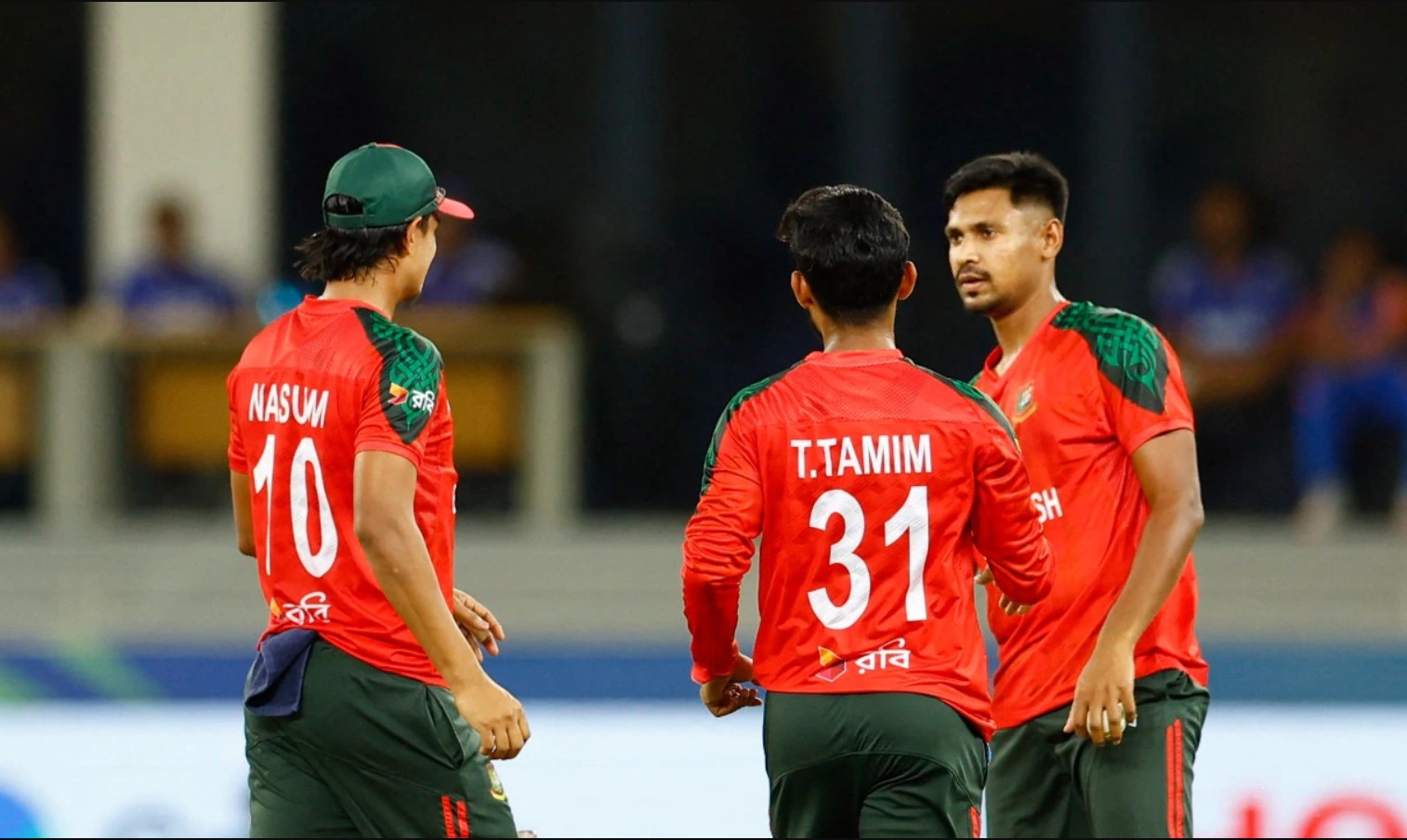
Practical constraints are also central to the ICC’s stance. The T20 World Cup is scheduled to begin on February 7, 2026, leaving limited time for venue reshuffles, ticketing, broadcast coordination, team logistics, and security deployments if one team’s fixtures are moved at short notice.
This is not only a scheduling story. It has turned into a governance and geopolitics test for cricket in South Asia, where touring sensitivities and hybrid arrangements have already shaped major events in recent cycles.
The ICC is trying to enforce uniform tournament terms while avoiding a precedent that could be invoked by other boards in future events. Bangladesh’s leadership, meanwhile, is balancing the board’s position, the government’s posture, and the players’ professional interests.
For the Bangladesh squad, uncertainty is itself a competitive disadvantage. Preparation planning depends on confirmed venues, travel, training blocks, and acclimatization, and late instability can affect workload management, recovery cycles, and tactical preparation.
For the BCB, the situation is also about institutional credibility. A late reversal could be framed as a climbdown, while a refusal to travel could trigger reputational, competitive, and commercial consequences, including the knock-on impact on player opportunities and future ICC engagements.
The next signals are expected to come from high-level discussions between the BCB, government stakeholders, and the playing group. Any final decision will have immediate consequences for tournament planning, and the ICC is expected to move quickly once Bangladesh communicates its position.
As things stand, the Bangladesh cricket T20 World Cup row remains unresolved, but the ICC position is unchanged. Bangladesh must decide whether to play under the scheduled India venues or step away, with major implications for the team and the tournament.