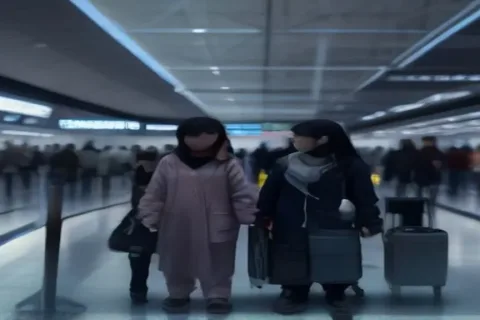

You don’t need a travel partner to explore the world. I learned that on my first solo trip to Europe. I spent two weeks in London, Paris, and Rome. I was nervous before leaving. But once I started, I realized solo travel is actually liberating. You make all the decisions. You eat when you’re hungry. You change plans on a whim. The hardest part is booking that first ticket. After that, it’s all about the experience.
Key Takeaways
- Solo travel builds confidence and independence. Start small with a weekend trip nearby.
- Hostels are budget-friendly and great for meeting people. Book a private room if you need quiet.
- Safety is about awareness, not fear. Keep your phone charged, share your itinerary, and trust your gut.
When to Go
Timing matters for your first solo trip. Shoulder seasons—spring and fall—offer good weather and fewer crowds. May and September are sweet spots in Europe. You avoid peak summer prices and long lines. In US national parks, late spring is ideal. It’s not too hot, and the trails are less packed. Winter can be cheaper but comes with short days and cold weather. If you’re heading to a city like New York or London, the holiday season is magical but expensive. Match your destination’s peak season to your tolerance for crowds. Remember, solo travel means you can be flexible. You don’t need to coordinate with anyone else’s schedule.
Where to Stay
Accommodation makes or breaks a solo trip. Hostels are the classic choice. They’re cheap and social. You’ll find dorm beds for $20-$40 per night in most European cities. Private rooms in hostels cost more but give you space. If you want quiet, look for a hostel with a lounge or common area. Hotels are fine too, but you’ll miss out on meeting other travelers. Airbnb apartments let you live like a local. They’re especially good for longer stays. In cities like Tokyo or Paris, consider capsule hotels or guesthouses. They’re efficient and safe. Always check recent reviews. Location matters most. Stay close to public transit or the city center. Save money by walking instead of taking taxis.
| Pros of Solo Travel | Cons of Solo Travel |
|---|---|
| Total freedom in planning | No one to share costs |
| You meet more people | Can feel lonely sometimes |
| Builds self-reliance | Safety concerns in some places |
| Easier to change plans | Must handle all logistics alone |
Common Mistakes
The biggest mistake is packing too much. You carry everything on your own. Travel light with a carry-on and a daypack. Another mistake is overplanning. Leave gaps in your schedule for spontaneity. A third mistake is not letting someone know your plans. Share your itinerary with a friend or family member. Check in daily. Also, don’t forget travel insurance. It’s cheap and covers lost bags, medical emergencies, and canceled flights. Finally, don’t stay in your hotel room. Solo travel pushes you out of your comfort zone. Eat at the bar, join a free walking tour, or sit in a park. Even small interactions build confidence.
On day one of your solo trip, force yourself to eat at a local restaurant alone. It feels strange at first. But bring a book, sit at the counter, and enjoy your meal. It gets easier after that.
Frequently Asked Questions
Is it safe to travel alone as a beginner?
Yes, with common sense precautions. Stick to well-lit areas, avoid walking alone at night, and keep valuables hidden. Research your destination’s safety reputation. Trust your instincts. Many cities are safe for solo travelers, especially in Western Europe, Japan, and Southeast Asia.
How do I meet people while traveling solo?
Stay in hostels with common areas. Join free walking tours. Use apps like Meetup or Couchsurfing events. Take a cooking class or a group day trip. Simply saying hello to someone in a hostel can start a conversation.
How much does a solo trip cost?
Costs vary widely. A budget trip to Southeast Asia can run $30-$50 per day for accommodation, food, and transport. In Europe, expect $50-$100 per day. US national parks are cheaper if you camp. Always budget a little extra for emergencies.
Should I buy travel insurance for a solo trip?
Absolutely. Travel insurance covers medical emergencies, trip cancellation, and lost luggage. It’s a small price for peace of mind. Many policies cost $50-$100 for a two-week trip. Check sites like World Nomads or SafetyWing.
What’s the best first solo trip destination?
Choose a destination that’s easy to navigate and English-friendly. Top picks include London, Tokyo, Lisbon, or Reykjavik. For US readers, a weekend in New York, San Francisco, or Chicago works well. Start with a 3-5 day trip close to home.