
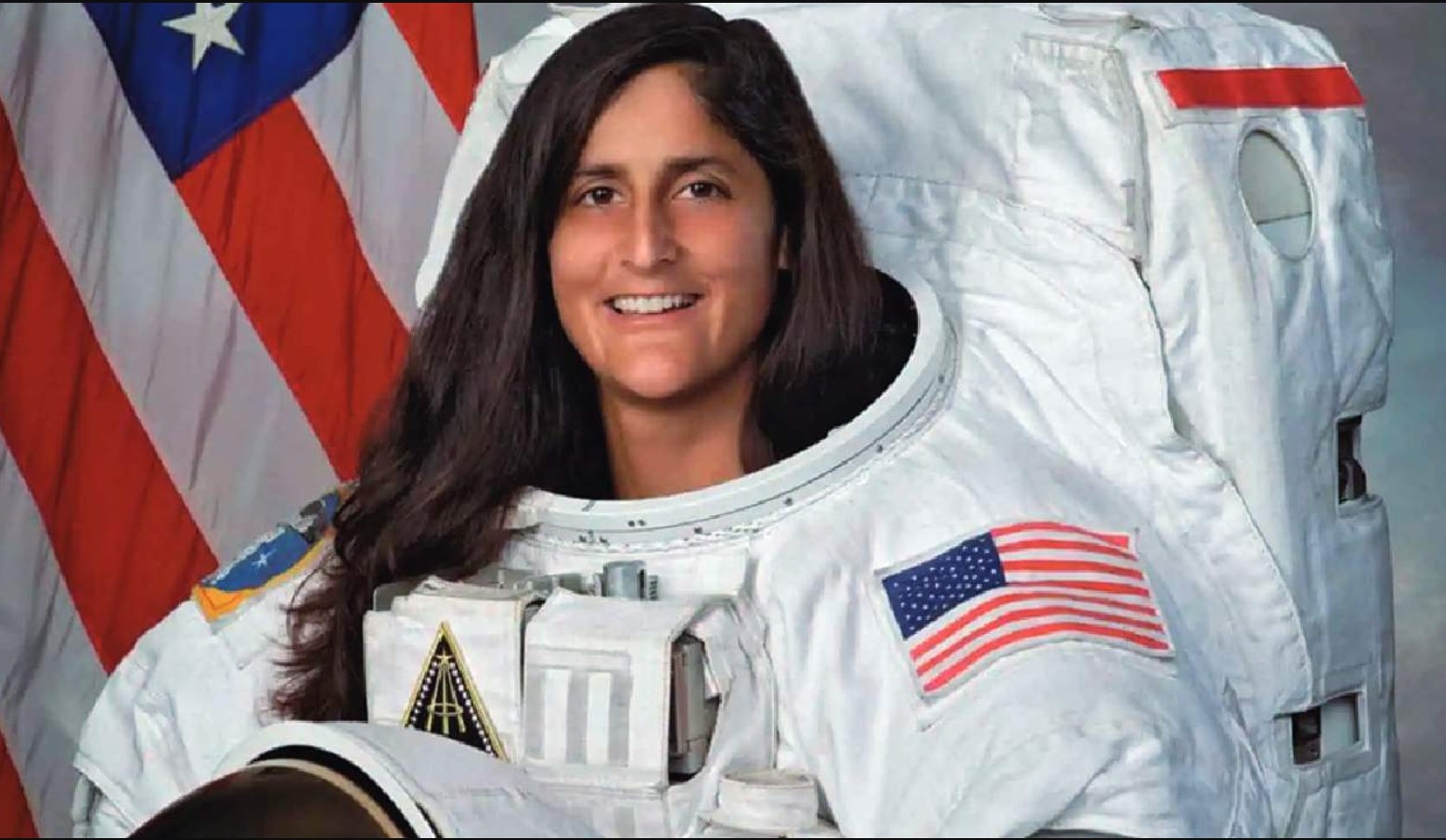
NASA astronaut Sunita Williams retires after completing a 27-year career with the U.S. space agency. Her retirement became effective on December 27, 2025, according to a recent NASA announcement. Williams steps away after one of the most decorated careers in modern spaceflight.
The Indian-American astronaut is best known for her long-duration missions and leadership aboard the International Space Station. Her achievements placed her among the most influential astronauts of her generation.
Sunita Williams was selected as a NASA astronaut in 1998. Over nearly three decades, she flew three space missions, all of them to the International Space Station. Her total time in space reached 608 days, making her one of NASA’s most experienced space travelers.
Williams conducted nine spacewalks during her career. The combined duration of those spacewalks exceeded 62 hours. This remains the highest total spacewalk time by any woman astronaut in NASA history.
Her first mission launched in 2006 aboard Space Shuttle Discovery. That flight focused on expanding and maintaining the space station. Williams quickly became known for her technical skills and physical endurance during demanding operations outside the station.
In 2012, she returned to orbit aboard a Russian Soyuz spacecraft. During that mission, she served as a flight engineer and later assumed command responsibilities. Her leadership aboard the station earned widespread recognition within the space agency.
Williams’ final spaceflight took place in 2024. She piloted Boeing’s Starliner spacecraft on a crewed test mission to the International Space Station. The mission was designed to evaluate the capsule’s performance for future operational flights.
Technical issues extended the mission far beyond its original schedule. Williams and her crewmate remained aboard the station for nearly nine months. They eventually returned to Earth in early 2025 aboard a SpaceX Crew capsule after NASA approved the revised return plan.
As a long-serving federal employee, Williams retired under the Federal Employees Retirement System. Her pension eligibility is based on her length of service and salary history. She also qualifies for U.S. Social Security benefits.
Williams remains eligible for continued federal health insurance coverage. She also retains access to life insurance options and the Thrift Savings Plan accumulated during her NASA career. These benefits are standard for senior federal employees with extended service records.
NASA officials have emphasized that Williams leaves the agency in good standing. Her experience continues to shape astronaut training programs and mission planning frameworks.
Sunita Williams’ career coincided with a major transition period for NASA. She flew during the Space Shuttle era, the rise of international partnerships, and the shift toward commercial crew missions.
Her work helped validate long-duration missions critical for future lunar and Mars exploration. NASA has consistently cited her endurance missions as valuable data points for human performance in space.
Williams has also played a visible role in public outreach. Her achievements inspired students, particularly women and underrepresented communities, to pursue careers in science and engineering.
Although retired, Williams has not ruled out future involvement in space-related work. Opportunities may include public speaking, academic teaching, advisory roles, or participation in commercial space initiatives.
NASA astronaut Sunita Williams retires after leaving a legacy defined by resilience, leadership, and scientific contribution. Her career remains a benchmark for future generations of space explorers.